
Custom Blinds Installation Transforms Any Room into a Beautiful Functional Space
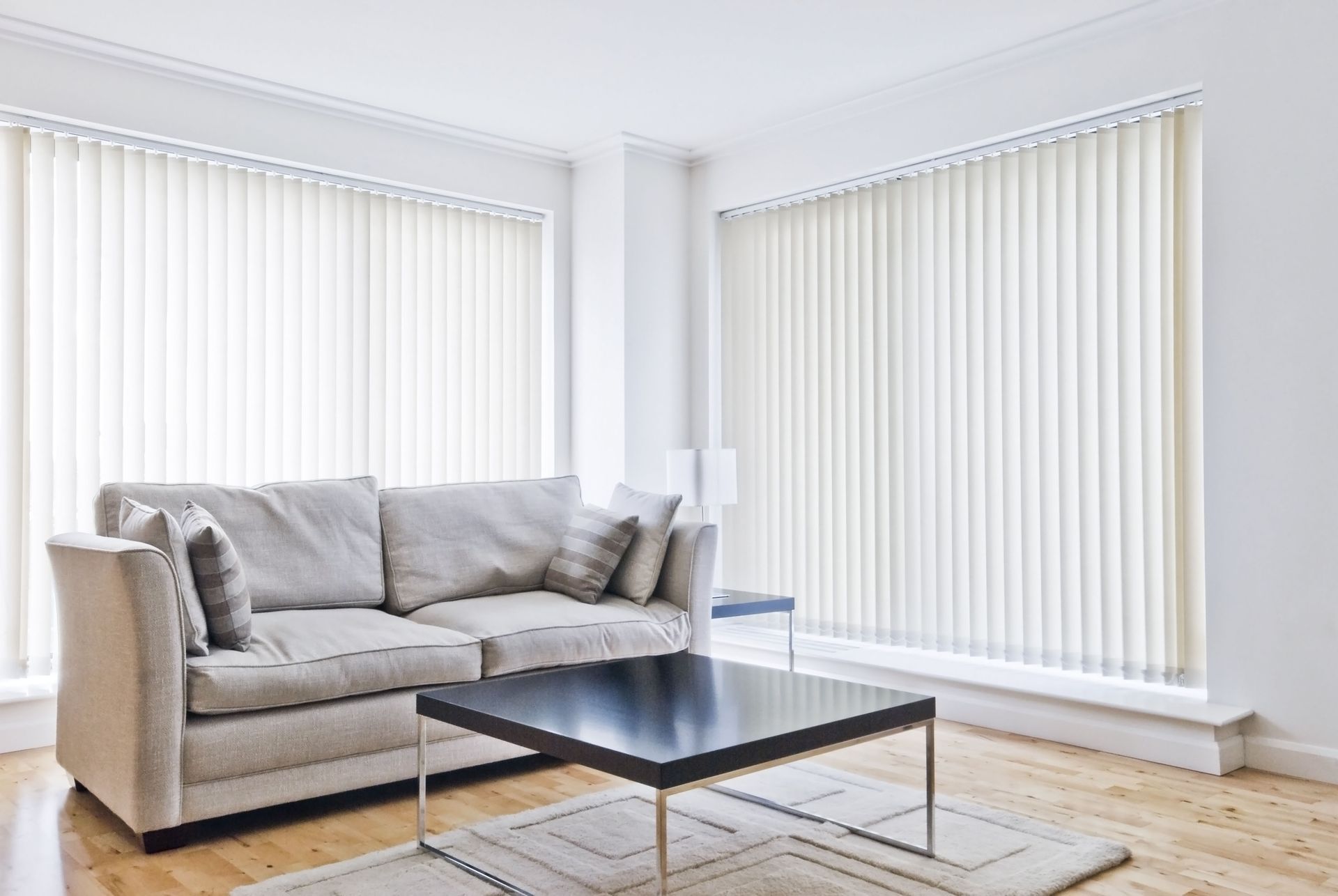
Window treatments play an important role in how a room looks, feels, and functions throughout the day. The right blinds can complement existing decor, control incoming sunlight, improve privacy, and make everyday activities more comfortable. However, choosing window coverings that fit properly and suit a room's needs requires more consideration than selecting an attractive color or material. Custom blinds offer homeowners an opportunity to match their window treatments to specific dimensions, design preferences, and lighting requirements. Professional blind installation can also help ensure that the finished window coverings operate smoothly and sit neatly within the intended space. From living rooms and bedrooms to kitchens and home offices, well-chosen blinds can make a noticeable difference in the overall environment. Homeowners can explore different materials, colors, operating mechanisms, and light-control options to find a suitable solution. Understanding these benefits helps explain why custom blinds are a practical investment for creating beautiful and functional interiors.
Improving the Appearance of Every Room
Window coverings contribute to a room's overall design by adding color, texture, and visual structure. Blinds that complement the walls, flooring, furniture, and decorative accents can create a coordinated appearance throughout the home. Custom options make it easier to choose finishes that suit different interior styles, whether the preference is contemporary, traditional, minimalist, or transitional. Homeowners can select neutral shades for a subtle look or choose contrasting colors to make windows more noticeable. The right design can also help balance a room with large windows or multiple openings. During blind installation, careful positioning helps create a neat finish that complements the surrounding trim and furnishings. Coordinating window treatments across connected spaces can establish visual consistency without making every room look identical. With thoughtful selections, blinds can become an attractive design feature rather than simply a covering for the windows.
Controlling Natural Light More Effectively
Natural light can make a home feel brighter and more welcoming, but excessive sunlight may cause glare or make certain rooms uncomfortable. Blinds provide adjustable light control, allowing homeowners to change the amount of sunlight entering a space throughout the day. Tilting slats can redirect light while maintaining some privacy, whereas closing the blinds can reduce direct exposure when stronger coverage is needed. This flexibility can be especially useful in living rooms with televisions, home offices with computer screens, and bedrooms where a darker environment is preferred. According to This Old House, residential windows commonly range from 14 to 20 square feet in size, illustrating how much window area can influence a room's light conditions. Selecting the right blind style and opacity helps homeowners manage sunlight according to each room's purpose. Properly fitted window coverings can also reduce unwanted glare on furniture and electronic screens. With suitable choices, homeowners can enjoy natural light while maintaining greater control over their indoor environment.
Increasing Privacy Throughout the Home
Privacy is an important consideration for bedrooms, bathrooms, street-facing living rooms, and homes located close to neighboring properties. The right blinds allow occupants to limit visibility from outside without permanently blocking natural light. Options with adjustable slats provide control over the viewing angle, while more opaque materials offer stronger coverage when closed. Homeowners should consider window placement, nearby buildings, street traffic, and room usage when comparing styles. Bedrooms may benefit from blinds designed to provide substantial coverage, while common areas may need a balance between privacy and daylight. Professional blind installation helps ensure that the selected window treatments fit the openings and operate as intended. It is also important to consider gaps around the edges, particularly where privacy is a primary concern. Choosing suitable coverings for each room can help homeowners feel more comfortable in their personal spaces.
Supporting Comfortable Indoor Temperatures
Windows can influence indoor comfort because sunlight and outdoor temperatures affect the conditions inside a home. During warm weather, strong direct sunlight may increase heat around windows and contribute to uncomfortable rooms. Closing suitable blinds during periods of intense sun can help limit direct solar exposure. In colder conditions, keeping blinds closed at appropriate times may also provide an additional barrier near the glass, although performance varies by material and window construction. Homeowners should compare product specifications rather than assume every blind offers the same insulating benefits. Color, slat design, material thickness, and fit can influence how a window treatment performs. Well-selected blinds can complement other measures, such as weatherstripping and efficient windows, to support indoor comfort. Considering both appearance and practical performance helps homeowners choose treatments that suit their local climate and everyday needs.
Choosing Materials That Suit Each Space
Different rooms have different requirements, so material selection deserves careful attention. Wood and faux-wood blinds can provide a structured appearance that works well in living rooms, dining areas, and many bedrooms. Aluminum blinds offer a lightweight option with adjustable slats, while certain fabric-based styles can introduce softness and texture. Kitchens and bathrooms may require materials that are better suited to humidity and occasional splashes. Homeowners should review cleaning instructions, durability, and manufacturer recommendations before choosing a product. The amount of daily use also matters because frequently adjusted blinds need an operating mechanism that suits the household. During blind installation, the chosen product must be compatible with the window dimensions and mounting surface. Matching material characteristics to the room's conditions helps maintain both appearance and functionality over time.
Creating Better Light Control in Bedrooms
Bedrooms often require a different approach to window coverings than shared living spaces. Some homeowners prefer soft morning light, while others need stronger light reduction to support sleep or accommodate varying schedules. Blinds designed for greater opacity can help darken a room when closed, although the amount of light blocked depends on the product and how it fits the window. Layering blinds with curtains may provide additional flexibility for adjusting brightness and privacy. Homeowners should consider whether they want to reduce light completely or simply soften direct sunlight. Operating mechanisms are also worth evaluating, particularly when windows are difficult to reach or used frequently. Custom measurements can help ensure that the selected blinds fit the opening as closely as the product design allows. Thoughtful choices can make bedrooms more comfortable and easier to adapt to different routines.
Simplifying Everyday Operation and Maintenance
Window treatments should be easy to operate and maintain as part of normal household routines. Blinds that open smoothly and adjust consistently make it easier to manage daylight and privacy without unnecessary effort. Homeowners can compare traditional corded options with cordless or motorized systems, depending on product availability, budget, and accessibility needs. Cordless designs may also be preferable in homes with children or pets when selected and installed according to relevant safety guidance. Routine maintenance generally involves dusting or cleaning the blinds as recommended by the manufacturer. Different materials may require different methods, so homeowners should avoid using products that could damage the finish. Professional blind installation can help confirm that mounting hardware and operating components are fitted correctly. Choosing an appropriate design and following care instructions can help keep window coverings attractive and functional.
Maximizing the Benefits of Custom Measurements
Window dimensions are not always uniform throughout a property, especially in older homes or buildings with distinctive architectural features. Even windows that appear similar may differ slightly in width, height, depth, or trim configuration. Custom measurements help homeowners choose blinds that are appropriate for each individual opening. Accurate sizing can improve the finished appearance and reduce problems associated with coverings that are too wide, too narrow, or poorly aligned. Homeowners should also consider whether the blinds will be mounted inside the window frame or outside it, since each approach has different measurement requirements. Professional guidance can help identify mounting limitations and determine which styles are suitable for the available space. Steven's Blinds & Beyond can help homeowners explore custom window treatment options based on their rooms, preferences, and measurements. Contact us to discuss your window covering needs and arrange professional blind installation for a more attractive and functional home.


Share On: