
How Custom Window Drapes Transform Living Spaces
Window treatments influence how a room looks, feels, and functions throughout the day. They help control incoming sunlight, provide privacy, soften architectural features, and bring different design elements together. Custom drapery offers homeowners the opportunity to select fabrics, colors, patterns, and dimensions that complement their specific living spaces. Unlike standard ready-made options, tailored window coverings can accommodate unusual window sizes and distinctive interior styles. The right selections can make a small room feel more polished or give a spacious living area a warmer, more inviting atmosphere. Window treatments can also contribute to comfort by helping manage sunlight and reducing unwanted heat transfer. Understanding the benefits of customized drapes makes it easier to choose solutions that balance appearance, functionality, and everyday convenience.
Enhancing Interior Design With Tailored Fabrics
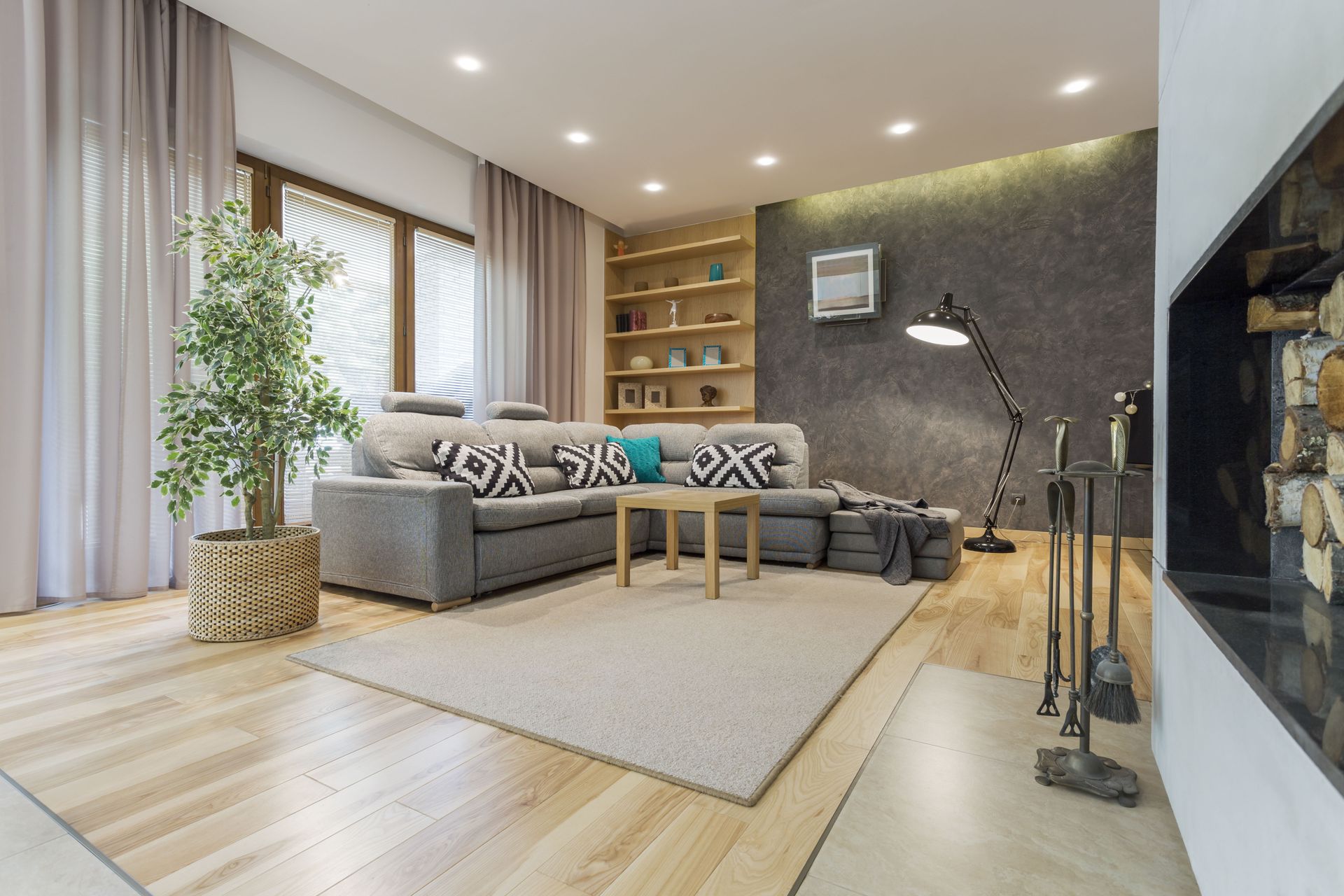
Fabric selection plays an important role in determining the overall character of a room. Lightweight materials can create an airy atmosphere, while heavier fabrics may introduce a sense of warmth and sophistication. Custom drapery allows homeowners to choose textures and finishes that coordinate with furniture, flooring, wall colors, and decorative accessories. Neutral shades can provide a timeless backdrop, while bold colors may create an eye-catching focal point. Patterns also influence the visual balance of a room, particularly when paired with patterned rugs or upholstered furniture. Homeowners should consider how the fabric looks under natural and artificial lighting before making a final decision. Selecting materials that complement existing decor helps create a cohesive interior rather than a collection of disconnected design elements. Carefully chosen window treatments can bring a room together without requiring extensive renovations.
Creating the Right Balance of Natural Light
Natural light can make living spaces feel more open and welcoming, but excessive sunlight may create glare or make certain rooms uncomfortable. Window treatments give homeowners greater control over how much daylight enters their interiors. With custom drapery, fabric opacity and lining options can be selected according to each room's lighting requirements. Sheer materials allow filtered sunlight to enter, while heavier fabrics can reduce brightness when more shade is needed. Layering different types of window coverings can provide additional flexibility throughout the day. For example, sheer panels can remain in place during daylight hours while thicker drapes are drawn when stronger light becomes distracting. Homeowners should also consider the direction each window faces and how sunlight changes throughout the seasons. Choosing suitable materials helps maintain a comfortable atmosphere while preserving the benefits of natural illumination.
Improving Privacy Throughout the Home
Privacy is an important consideration in bedrooms, living rooms, and other areas that face neighboring properties or public walkways. The right window coverings can limit visibility from outside while allowing homeowners to maintain a comfortable interior environment. Custom drapery can be tailored to fit windows closely and provide coverage that standard-sized panels may not offer. Heavier fabrics generally provide greater visual privacy than sheer materials, especially after dark when interior lights are on. Homeowners should consider how each room is used when deciding on fabric thickness and coverage. Bedrooms may benefit from more opaque materials, while shared living spaces might use layered treatments for greater flexibility. Properly measured panels also help minimize unwanted gaps around the sides of the window. Selecting privacy-focused window coverings allows homeowners to enjoy their spaces with greater confidence and convenience.
Supporting Indoor Comfort and Temperature Control
Window coverings can contribute to indoor comfort by influencing how heat moves through windows. During colder weather, uncovered glass may allow warmth to escape, while strong sunlight can increase heat inside a room during warmer months. According to the Department of Energy, using two window drapes together creates a more effective insulating air pocket than a single drape, helping a room maintain a more comfortable temperature. Custom drapery gives homeowners the flexibility to select layered fabrics and suitable linings based on their comfort priorities. Heavier materials may help reduce unwanted drafts when they fit and hang appropriately around the window. However, the results depend on fabric construction, window conditions, installation, and how consistently the drapes are used. Homeowners should also consider opening coverings when beneficial sunlight can naturally warm a room. Thoughtful window treatment choices can complement other measures used to improve indoor comfort and energy efficiency.
Making Small Rooms Feel More Spacious
The placement and proportions of window treatments can influence how large or small a room appears. Drapes that extend from near the ceiling toward the floor can draw the eye upward and emphasize the room's height. Custom drapery can be measured to suit the window and surrounding wall, creating a more balanced appearance. Wider panels may also help windows appear larger when the fabric is positioned beyond the frame. Light-colored fabrics can contribute to an open atmosphere, especially when coordinated with pale walls and simple furnishings. In compact rooms, avoiding overly bulky materials may prevent the window area from feeling crowded. Homeowners should consider the relationship between the drapes, furniture placement, and available floor space before selecting a style. Thoughtful proportions can make a room feel more organized and visually comfortable without changing its physical dimensions.
Adding Character Through Color and Texture
Color and texture can transform a room by introducing depth, contrast, and personality. Smooth fabrics may suit contemporary interiors, while woven or textured materials can complement traditional and relaxed design styles. Custom drapery gives homeowners the ability to coordinate these details with existing finishes and personal preferences. A subtle color can reinforce an established palette, while a contrasting shade may draw attention to the window as a decorative feature. Texture is particularly useful when a room contains mostly smooth surfaces, such as polished floors, glass tables, or plain walls. Homeowners should consider how fabric colors interact with sunlight because the appearance of certain shades changes throughout the day. Ordering samples can help determine whether a material works with the room's lighting and furnishings. Well-chosen colors and textures give window treatments a purposeful role in the overall design.
Accommodating Unique Windows and Architectural Features
Not every home has standard rectangular windows that can be covered easily with ready-made panels. Arched windows, unusually tall openings, wide glass doors, and distinctive architectural features may require more precise measurements. Custom drapery can be designed around these dimensions to provide a more consistent fit and finished appearance. Tailored solutions can also account for window placement near built-in shelving, radiators, or furniture that limits the available space. Homeowners should measure carefully and consider the clearance needed for opening and closing the panels. Selecting appropriate rods, tracks, and mounting hardware is equally important because these components influence how the drapes hang and operate. Professional guidance can help resolve measurement challenges and identify suitable installation methods. A well-fitted treatment can highlight unusual architectural details while providing practical coverage for the window.
Simplifying Everyday Use and Long-Term Care
Window treatments should be attractive, but they also need to work well with the household's daily routines. Some rooms require frequent adjustments for changing sunlight, while others benefit from coverings that remain closed for much of the day. Custom drapery can be planned around these habits by selecting suitable fabrics, panel weights, and operating hardware. Homeowners should review cleaning instructions before choosing a material, since some fabrics require professional cleaning while others allow simpler maintenance. Dusting panels regularly can help prevent buildup and preserve their appearance. Durable materials may be especially useful in busy family areas where window coverings receive frequent handling. Proper installation also supports smooth movement and helps reduce unnecessary strain on the fabric and hardware. Considering everyday use from the beginning makes it easier to choose window treatments that remain practical and attractive over time.
Custom window drapes can improve a home's appearance while supporting privacy, light control, indoor comfort, and more cohesive interior design. The best results come from selecting appropriate fabrics, accurate measurements, and styles that complement each room's needs. Steven's Blinds & Beyond can help homeowners explore window treatment options suited to their spaces and preferences. Contact us to discuss your window covering goals and find custom drapery solutions that bring style and functionality to your home.


Share On: